
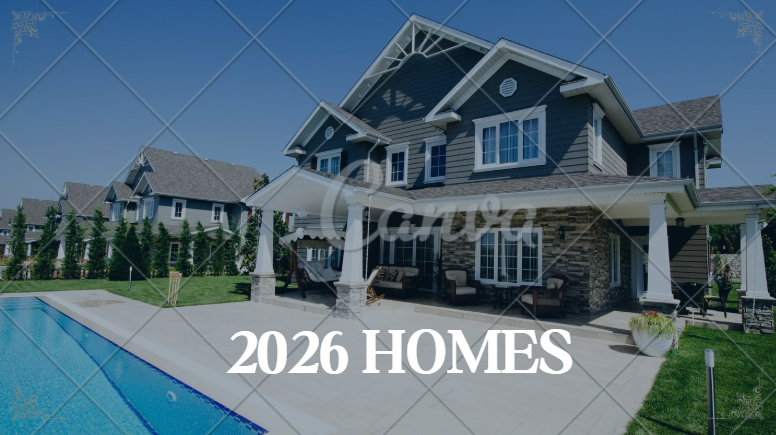
The way people design, build, and live in houses is very different today compared to the past. In 2026, homes are smarter, more energy-efficient, and more comfortable than ever before. Technology, sustainability, and modern design are shaping the future of housing 2026 homes.
In this article, we will explore what 2026 homes look like, their features, trends, and why they are becoming so popular.
1. What Are 2026 Homes?
2026 homes are modern houses built with new technology, smart systems, and eco-friendly materials. These homes focus on comfort, safety, and energy saving. They are designed for today’s lifestyle, including remote work, online learning, and smart living.
Unlike traditional houses, 2026 homes include smart devices, automated systems, and sustainable building designs.
2. Smart Technology in 2026 Homes
Technology is one of the biggest changes in modern homes 2026 homes.
Also Read:Free Spirit Rose
a) Smart Assistants
Many homes now use voice assistants like Amazon Alexa and Google Assistant. These systems can control lights, fans, air conditioners, and even security cameras with voice commands 2026 homes.
b) Smart Security Systems
Modern homes include smart locks, video doorbells, and CCTV cameras that connect to your smartphone 2026 homes. Homeowners can monitor their house from anywhere in the world.
c) Smart Appliances
Refrigerators, washing machines, and ovens now connect to Wi-Fi.2026 homes.
3. Eco-Friendly and Sustainable Design
In 2026, many homes focus on protecting the environment 2026 homes.
a) Energy-Efficient Windows
Modern windows keep homes cool in summer and warm in winter 2026 homes.
b) Water-Saving Systems
Low-flow taps and rainwater collection systems are becoming common 2026 homes.
c) Recycled Materials
Builders use eco-friendly materials like recycled wood and steel 2026 homes.
Sustainability is important because it helps reduce pollution and protect nature.
4. Modern Interior Design Trends
a) Open Floor Plans
Living rooms, kitchens, and dining areas are often connected without walls 2026 homes. This makes the home look bigger and brighter.
b) Minimalist Style
Simple furniture, light colors, and less clutter are popular in 2026 homes 2026 homes.
c) Home Office Spaces
After the global shift to remote work during the COVID-19 pandemic, many houses now include a dedicated office space 2026 homes.
d) Multi-Use Rooms
Rooms can serve multiple purposes, such as a guest room that also works as a study area 2026 homes.
5. Smart Home Automation Systems
Home automation systems connect everything together. Companies like Samsung and Apple offer smart home solutions that control lighting, temperature, and security from one app 2026 homes.
With automation:
6. Affordable Housing Innovations
Technology is also making housing more affordable 2026 homes.
a) Prefabricated Homes
Parts of the house are built in factories and assembled on-site.2026 homes.
b) 3D-Printed Houses
Some companies are experimenting with 3D printing technology to build homes quickly and at lower prices 2026 homes.
c) Smaller Smart Homes
Tiny homes and compact smart apartments are becoming popular, especially in big cities 2026 homes.
7. Safety and Comfort Features
Modern homes focus on safety and health 2026 homes.
These features make homes safer for families 2026 homes.
8. Real Estate Trends in 2026
The housing market in 2026 shows several trends 2026 homes:
- More people prefer suburban areas for larger homes.
- Smart homes have higher property value.
- Sustainable houses sell faster than traditional ones.
Investing in a smart and eco-friendly home is becoming a smart financial decision 2026 homes.
9. Benefits of 2026 Homes
- Better security
- Modern design
- Environment-friendly living
- Higher resale value
These benefits make 2026 homes attractive for families and investors 2026 homes.
10. Challenges of Modern Homes
While 2026 homes have many advantages, there are some challenges:
- Higher initial cost
- Regular software updates
- Technology repair costs
However, many people feel the long-term benefits are worth it.
(FAQs)
Q1: What makes 2026 homes different from old homes?
2026 homes include smart technology, energy-saving systems, and modern design features.
Q2: Are smart homes expensive?
They may cost more at first, but they save money on energy and maintenance in the long run.
Q3: Do 2026 homes require internet?
Yes, most smart features need a stable internet connection.
Q4: Are eco-friendly homes better for the environment?
Yes, they reduce energy use, save water, and lower pollution.
Q5: What is home automation?
Home automation connects devices like lights, security, and temperature systems so they can work automatically.
Q6: Are 3D-printed homes safe?
Yes, when built properly, they meet safety standards and building codes.
Conclusion
2026 homes represent the future of living. They combine smart technology, eco-friendly design, and modern comfort. From voice-controlled systems to solar energy and stylish interiors, these homes are built for today’s lifestyle.
As technology continues to grow, homes will become even smarter and more efficient. Whether you are planning to buy, build, or invest, 2026 homes offer exciting opportunities for a better and more comfortable life.